BEFORE YOU READ
1Read about Edith Nesbit. How many children's books did she write? What were they about?
2Read the background to the story. What things do you think the children miss after they move to the country? How is life in the country different from life in the city?
About the author
Edith Nesbit
Born: 1858 in London, England
Died: 1924
Important works: The Story of the Treasure Seekers (1899), Five Children and It (1902), The Railway Children (1906), The Enchanted Castle (1907)
Did you know? Edith Nesbit's real life was as interesting and full of adventures as her fiction. She didn't have a happy childhood because her father died when she was four years old, her sister was very ill, and the family often had to move to different countries. They travelled to France, Germany and Spain, but Edith didn't always go with them. She had to go to boarding school. However, she didn't like it and once even tried to run away from it. When Edith was thirteen, the family finally returned to England and settled in a house near a railway line. She was very happy there, especially during the holidays − her brothers built a raft for the pond, they found a secret room in the house and often went to the railway line to wave at the trains. This period of her life inspired many of her poems and stories.
Edith Nesbit wrote over sixty books for children in various genres. Some of the books, like The Railway Children, told stories of children and their adventures in the real world, while others were about children who meet fantasy creatures, travel in time and find magic objects.
BACKGROUND TO THE STORY
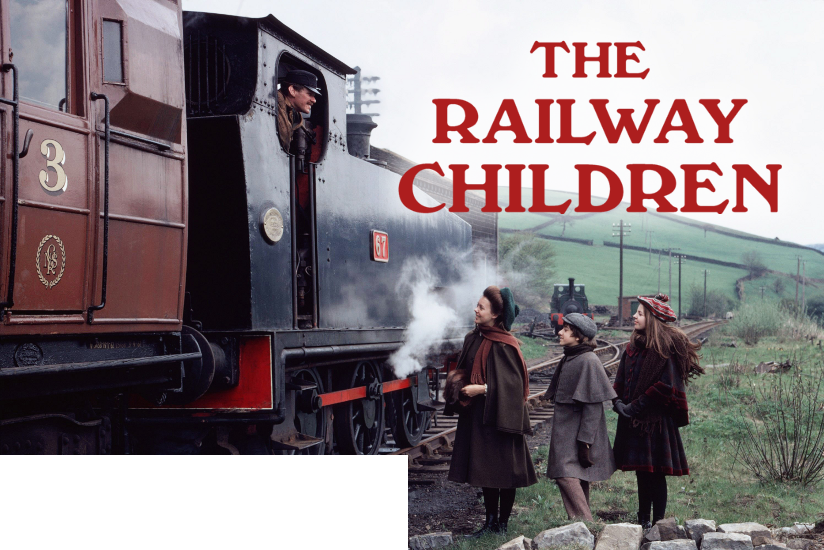
Roberta (Bobbie), Phyllis and Peter live happily with their parents in London. They have a comfortable life with everything they need − clothes, food and lots of toys. Then on Peter's birthday, two men knock on the door and ask to speak to the children's father. The three men talk for a long time and finally all three leave the house together. The children's mother tells the girls and Peter that their father has left on business and will be away some time. While they wait for him to return, they move to a house in the country near a railway line. Mrs Viney, a woman from the village, cooks for them and helps with housework.
The coal was stolen by .
And so the days passed. The children did not go to school now, and Mother spent every day in her room, writing stories. Sometimes she managed to sell a story to a magazine, and then there were cakes for tea. The children did not forget their father, but they did not talk about him much, because they knew that Mother was unhappy. Several times, she had told them that they were poor now. But it was difficult to believe this because there was always enough to eat, and they wore the same nice clothes.
But then there were three wet days, when the rain came down, and it was very cold.
'Can we light a fire?' asked Bobbie.
'We can't have fires in June,' said Mother. 'Coal is very expensive.'
After tea, Peter told his sisters, 'I have an idea. I'll tell you about it later, when I know if it's a good one.'
And two nights later, Peter said to the girls,
'Come and help me.'
On the hill, just above the station, there were some big stones in the grass. Between the stones, the girls saw a small heap of coal.
'I found it,' said Peter. 'Help me carry it up to the house.'
After three journeys up the hill, the coal was added to the heap by the back door of the house. The children told nobody.
A week later, Mrs Viney looked at the heap by the back door and said, 'There's more coal here than I thought there was.'
The children laughed silently and said nothing.
But then came the awful night when the Station Master was waiting for Peter in the station yard. He watched Peter climb on the large heap of coal by the wall and start to fill a bag.
'Now I've caught you, you young thief!' shouted the Station Master. And he took hold of Peter's coat.
'I'm not a thief,' said Peter, but he did not sound very sure about it.
'You're coming with me to the station,' said the Station Master.
'Oh, no!' cried a voice from the darkness.
'Not the police station!' cried another voice.
'No, the railway station,' said the man, surprised to hear more voices. 'How many of you are there?'
Bobbie and Phyllis stepped out of the darkness.
'We did it, too,' Bobbie told the Station Master. 'We helped carry the coal away, and we knew where Peter was getting it.'
'No, you didn't,' said Peter, angrily. 'It was my idea.'
'We did know,' said Bobbie. 'We pretended we didn't, but we did.'
The Station Master looked at them. 'You're from the white house on the hill,' he said. 'Why are you stealing coal?'
From The Railway Children, Oxford Bookworms. Text adaptation by John Escott.
And so the days passed. The children did not go to school now, and Mother spent every day in her room, writing stories. Sometimes she managed to sell a story to a magazine, and then there were cakes for tea. The children did not forget their father, but they did not talk about him much, because they knew that Mother was unhappy. Several times, she had told them that they were poor now. But it was difficult to believe this because there was always enough to eat, and they wore the same nice clothes.
But then there were three wet days, when the rain came down, and it was very cold.
'Can we light a fire?' asked Bobbie.
'We can't have fires in June,' said Mother. 'Coal is very expensive.'
After tea, Peter told his sisters, 'I have an idea. I'll tell you about it later, when I know if it's a good one.'
And two nights later, Peter said to the girls,
'Come and help me.'
On the hill, just above the station, there were some big stones in the grass. Between the stones, the girls saw a small heap of coal.
'I found it,' said Peter. 'Help me carry it up to the house.'
After three journeys up the hill, the coal was added to the heap by the back door of the house. The children told nobody.
A week later, Mrs Viney looked at the heap by the back door and said, 'There's more coal here than I thought there was.'
The children laughed silently and said nothing.
But then came the awful night when the Station Master was waiting for Peter in the station yard. He watched Peter climb on the large heap of coal by the wall and start to fill a bag.
'Now I've caught you, you young thief!' shouted the Station Master. And he took hold of Peter's coat.
'I'm not a thief,' said Peter, but he did not sound very sure about it.
'You're coming with me to the station,' said the Station Master.
'Oh, no!' cried a voice from the darkness.
'Not the police station!' cried another voice.
'No, the railway station,' said the man, surprised to hear more voices. 'How many of you are there?'
Bobbie and Phyllis stepped out of the darkness.
'We did it, too,' Bobbie told the Station Master. 'We helped carry the coal away, and we knew where Peter was getting it.'
'No, you didn't,' said Peter, angrily. 'It was my idea.'
'We did know,' said Bobbie. 'We pretended we didn't, but we did.'
The Station Master looked at them. 'You're from the white house on the hill,' he said. 'Why are you stealing coal?'
From The Railway Children, Oxford Bookworms. Text adaptation by John Escott.
1The children's mother about their father.
2Mother says the family don't have .
3 comes up with a plan for the fire.
4The children find some coal .
5Mrs Viney what the children are doing.
6The Station Master wants to take the children to the .
3 Read the questions and give your opinion.
- Do you think Peter knew it was wrong to take the coal? Why / why not?
- What would you do with the children if you were the Station Master?
- Read what happens next. Why do the children imagine the Old Gentleman might know their father?
1 tells the other children to find a way to get the things that needs.
2 and paint a sign.
3 shows the sign to as the train goes past.
4 gives a letter when the train stops.
5 is going to pay when he grows up.
6 delivers a box with some food and flowers for .
7 is happy to help the children.
5 Read the questions and give your opinion.
- Were the children right to ask for help? Why / why not?
- If the children lived in the twenty-first century, what do you think they would do in order to find money to buy things for their mother?
|
No comments:
Post a Comment