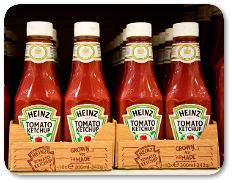
1Lorries transport the tomatoes
2Machines wash, chop and cook
3After we finish the ketchup,
4We buy ketchup in the supermarket
5To keep the ketchup fresh,
6Farmers grow tomatoes
7Factories package the ketchup and
8Boats and planes transport the ketchup to
- the tomatoes to produce ketchup.
- we refrigerate it.
- put a label on it with the date and the ingredients.
- and we eat it with chips or pizza.
- in fields or in heated greenhouses.
- to the factories.
- supermarkets all over the world.
- we throw away or recycle the empty bottle.


- MOVE
- eco-friendly
- energy-efficient
- food miles
- global warming
- greenhouse gases
- recycling centre
- rubbish dumps
1At the , they sort the materials into different bins – glass, wood, paper and plastic.
2Scientists say that is causing sea levels to rise.
3People in the UK who use light bulbs can save up to £60 a year on their electricity bill.
4The UK imports 95% of its fruit from other countries. This means that fruit has a lot of .
5The label says this product is . They used recycled paper for the packaging.
6The Clean Cars Act was one of the first laws in the USA that tried to reduce .
7It costs £1.6 billion a year in England to collect and transport waste to .
1Men need to have 2,500 a day. Women only need 2,000.
2One apple contains six different , including A and C.
3Without , cola wouldn't be brown and mint ice cream wouldn't be green.
4All fizzy drinks contain . Even tonic water, which doesn't taste sweet, has about thirty grams in it.
5 is good for your nails and hair. Beef contains the most of all meat products.
6 from vegetable sources, like nuts and olives, are healthier than those from animals.
Liquid gold
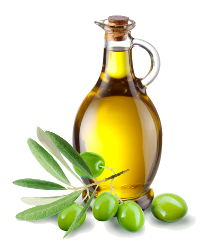
Olive oil is very popular all over the world and some people even call it liquid gold. Olive oil is healthy because it is high in
1
E and vegetable
2.
It doesn't contain any
3
or sugar, but it is a rich source of energy – one tablespoon of olive oil has 119
4.
The olive tree
5
in the Mediterranean, where olive oil is an important part of life. Spain
6
the most olive oil, but the Greeks use the most, for cooking or just in salads. In the past, people also used it in oil lamps, medicines and cosmetic products. Farmers in the Mediterranean pick the olives from November to March – you need 1,500 olives to produce one litre of oil. First, the farmers store the oil underground, then they put it into bottles, pack it into boxes and
7
it to other countries. You don't need to
8
olive oil as it can stay fresh for two years if you keep it in a cool dark place. Although it is possible to
9
the bottles, olive oil isn't very
10 - .
Olive production in some countries is so large that it is damaging the environment.
|
5 Choose a food item that you like and describe its life cycle. Does it have a big carbon footprint? Speak for no longer than one minute. |
- Select Record Audio to record yourself.
- If you want to add a note to your teacher, write it in the Comments box.
- Select Submit to dropbox to send the recording to your teacher.
No comments:
Post a Comment