- MOVE
- Who can take part?
- What can my project be about?
- Are you going to apply?
- What will I get in the end?
- What will happen next?
- How many people do the programme every year?
- Why should I do it?
- When did the programme start?

Do you want to meet people from other countries?
Are you energetic and creative?
Do you like new experiences?
Yes? Read on! Perhaps the Youth in Action programme is for you!
The European Commission runs the Youth in Action programme to encourage young people to be active citizens. Its aim is to build good links between young people across Europe. It's about young people taking control of their futures. YOU have to come up with a project idea. YOU will work with an adult supervisor, but YOU are in charge!
1
It's your choice! Past project themes include:
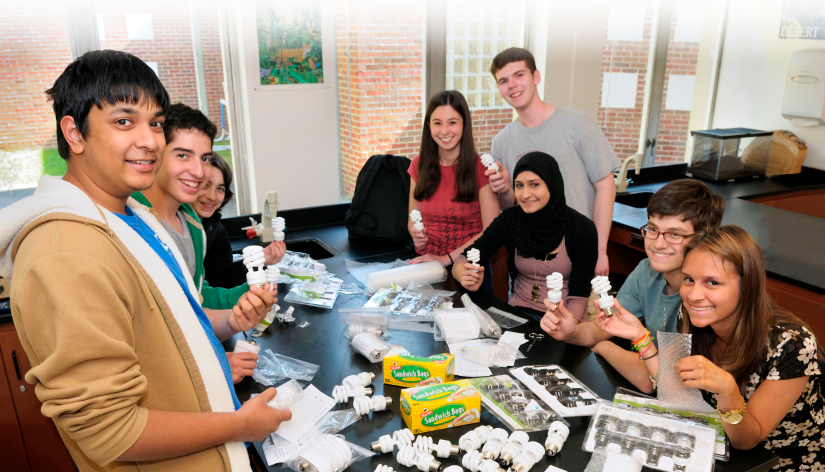
• the environment – making useful things from old materials
• nature – looking after animals in danger
• the arts – making films about different cultures
• sport – using team sports to get to know different people.
2
Good question! You've got school work and exams. You're busy! Will the Youth in Action programme mean more work? Yes, but … this is non-formal learning, not schoolwork. It takes place outside of school. You will learn important skills such as:
• putting together a project
• working with people from different backgrounds
• setting up a team
• planning your finances.
3
Everybody! One of the programme's goals is inclusion. It wants all types of young people to take part and that includes people from different cultures, or those with health problems, or people who can't usually join in activities because they haven't got enough money.
4
Yes? Great! Get together with a group of four or more people aged between 18 and 30. You can apply if you are under 18, but you'll need a youth worker on your team − someone who normally works with young people as a volunteer or as part of their job. Next, meet and discuss your hopes for the project. Put together a plan. Then apply via the European Commission website!
5
After you apply, you'll need to wait about three months. Next you'll find out if the Commission thinks you can go ahead. You'll get a grant from the Commission, so you'll have the money to run your project. You'll agree dates for the project and you'll have to do the project in this time. When the project is finished, you'll send a report to the Commission.
6
A Youthpass. This document will give details of everything you did. It's the kind of information that universities are interested in (and future employers when you go to job interviews). But, most important of all, you'll have a great experience and memories to last a lifetime!
Do you want to meet people from other countries?
Are you energetic and creative?
Do you like new experiences?
Yes? Read on! Perhaps the Youth in Action programme is for you!
The European Commission runs the Youth in Action programme to encourage young people to be active citizens. Its aim is to build good links between young people across Europe. It's about young people taking control of their futures. YOU have to come up with a project idea. YOU will work with an adult supervisor, but YOU are in charge!
1 ...............
It's your choice! Past project themes include:
• the environment – making useful things from old materials
• nature – looking after animals in danger
• the arts – making films about different cultures
• sport – using team sports to get to know different people.
2 ...............
Good question! You've got school work and exams. You're busy! Will the Youth in Action programme mean more work? Yes, but … this is non-formal learning, not schoolwork. It takes place outside of school. You will learn important skills such as:
• putting together a project
• working with people from different backgrounds
• setting up a team
• planning your finances.
3 ...............
Everybody! One of the programme's goals is inclusion. It wants all types of young people to take part and that includes people from different cultures, or those with health problems, or people who can't usually join in activities because they haven't got enough money.
4 ...............
Yes? Great! Get together with a group of four or more people aged between 18 and 30. You can apply if you are under 18, but you'll need a youth worker on your team − someone who normally works with young people as a volunteer or as part of their job. Next, meet and discuss your hopes for the project. Put together a plan. Then apply via the European Commission website!
5 ...............
After you apply, you'll need to wait about three months. Next you'll find out if the Commission thinks you can go ahead. You'll get a grant from the Commission, so you'll have the money to run your project. You'll agree dates for the project and you'll have to do the project in this time. When the project is finished, you'll send a report to the Commission.
6 ...............
A Youthpass. This document will give details of everything you did. It's the kind of information that universities are interested in (and future employers when you go to job interviews). But, most important of all, you'll have a great experience and memories to last a lifetime!
1The people organizing the Youth in Action programme are .
2The programme hopes to .
3An important idea behind the programme is that .
4You have to have a youth worker on your team if you .
5The money for the project .
6The Youthpass .
Do you want to meet people from other countries?
Are you energetic and creative?
Do you like new experiences?
Yes? Read on! Perhaps the Youth in Action programme is for you!
The European Commission runs the Youth in Action programme to encourage young people to be active citizens. Its aim is to build good links between young people across Europe. It's about young people taking control of their futures. YOU have to come up with a project idea. YOU will work with an adult supervisor, but YOU are in charge!
1 ...............
It's your choice! Past project themes include:
• the environment – making useful things from old materials
• nature – looking after animals in danger
• the arts – making films about different cultures
• sport – using team sports to get to know different people.
2 ...............
Good question! You've got school work and exams. You're busy! Will the Youth in Action programme mean more work? Yes, but … this is non-formal learning, not schoolwork. It takes place outside of school. You will learn important skills such as:
• putting together a project
• working with people from different backgrounds
• setting up a team
• planning your finances.
3 ...............
Everybody! One of the programme's goals is inclusion. It wants all types of young people to take part and that includes people from different cultures, or those with health problems, or people who can't usually join in activities because they haven't got enough money.
4 ...............
Yes? Great! Get together with a group of four or more people aged between 18 and 30. You can apply if you are under 18, but you'll need a youth worker on your team − someone who normally works with young people as a volunteer or as part of their job. Next, meet and discuss your hopes for the project. Put together a plan. Then apply via the European Commission website!
5 ...............
After you apply, you'll need to wait about three months. Next you'll find out if the Commission thinks you can go ahead. You'll get a grant from the Commission, so you'll have the money to run your project. You'll agree dates for the project and you'll have to do the project in this time. When the project is finished, you'll send a report to the Commission.
6 ...............
A Youthpass. This document will give details of everything you did. It's the kind of information that universities are interested in (and future employers when you go to job interviews). But, most important of all, you'll have a great experience and memories to last a lifetime!
Introduction
Paragraph 1
Paragraph 2
Paragraph 3
Paragraph 4
Paragraph 5
Paragraph 6
At the end, you get a Youthpass which gives details about your achievements.
Do you want to meet people from other countries?
Are you energetic and creative?
Do you like new experiences?
Yes? Read on! Perhaps the Youth in Action programme is for you!
The European Commission runs the Youth in Action programme to encourage young people to be active citizens. Its aim is to build good links between young people across Europe. It's about young people taking control of their futures. YOU have to come up with a project idea. YOU will work with an adult supervisor, but YOU are in charge!
1 ...............
It's your choice! Past project themes include:
• the environment – making useful things from old materials
• nature – looking after animals in danger
• the arts – making films about different cultures
• sport – using team sports to get to know different people.
2 ...............
Good question! You've got school work and exams. You're busy! Will the Youth in Action programme mean more work? Yes, but … this is non-formal learning, not schoolwork. It takes place outside of school. You will learn important skills such as:
• putting together a project
• working with people from different backgrounds
• setting up a team
• planning your finances.
3 ...............
Everybody! One of the programme's goals is inclusion. It wants all types of young people to take part and that includes people from different cultures, or those with health problems, or people who can't usually join in activities because they haven't got enough money.
4 ...............
Yes? Great! Get together with a group of four or more people aged between 18 and 30. You can apply if you are under 18, but you'll need a youth worker on your team − someone who normally works with young people as a volunteer or as part of their job. Next, meet and discuss your hopes for the project. Put together a plan. Then apply via the European Commission website!
5 ...............
After you apply, you'll need to wait about three months. Next you'll find out if the Commission thinks you can go ahead. You'll get a grant from the Commission, so you'll have the money to run your project. You'll agree dates for the project and you'll have to do the project in this time. When the project is finished, you'll send a report to the Commission.
6 ...............
A Youthpass. This document will give details of everything you did. It's the kind of information that universities are interested in (and future employers when you go to job interviews). But, most important of all, you'll have a great experience and memories to last a lifetime!
1(verb) to ask for something in a formal way, usually by writing or completing a form
2(noun) people's history, family, education, experience
3(noun) people who give you a job
4(verb) to give support
5(noun) the fact of being part of something
6(verb) to organize and be in control of something
7(noun) money that somebody gives to you by an organization or government
8(noun) the money you have
1I am terrible at looking after my . I never have money to spend on things I need!
2We come from different , but we are really good friends.
3I'm going to for a job at the sports centre this summer.
4'I want to join the drama club. Who did I need to speak to?' 'Miss Baker. She the club.'
5 like to know what your skills are before they give you a job.
6My brother is going to get a to pay for his engineering course.
7Our sports club thinks is very important – everybody can join in.
8I'm going to Liz to write more stories. I think she will be an amazing writer one day.
|
6 Write an email to a friend to tell them about the Youth in Action programme. Summarize what the programme is about, who organizes it and what you have to do to take part in it. Use your answers to exercise 3 to help you plan your email. |
- Write your task in another program (e.g. Word).
- Save the file to your computer.
- Upload your file.
- If you want to add a note to your teacher, write it in the Comments box.
- Select Submit to Dropbox to send your work to your teacher.
No comments:
Post a Comment