- MOVE
- pick up
- hang up
- look around
- try on
- sell out
- take off
1'Hello. I'd like to see what's in your shop.'
2'The white T-shirt with the slogan – can I lift it off the shelf and hold it?'
3'Well, it's nice. Can I go into the changing room and put it on to see if it fits?'
4'It's a great T-shirt, but it doesn't fit. I'll just go and remove it from my body.'
5'Right. I'll put it back on this clothes hook.'
6'Unfortunately, someone bought the last T-shirt in my size yesterday, so there aren't any of these T-shirts for sale any more.'
1Look at the price before you buy something. If it's very cheap, ask where they made the product.
2Century 21 is my favourite shop in New York. It sells hundreds of cheap T-shirts every day.
3Factory in China make 70% of the world's umbrellas. Where was your umbrella made?
4Did you know that 85% of people who work in sweat are young women aged 15 to 25?
5Could you work in a hot factory with no air ? Many people in developing countries work in hot places with no fresh air.
6It is estimated that cotton cover about 2.5% of the world's agricultural land.
- MOVE
- wool
- linen
- leather
- cotton
- nylon
- fur
- denim
made from plants
made from animals
man-made
- MOVE
- pick up
- hang up
- look around
- try on
- sell out
- take off
- tag
- note
- ticket
- sweat
- discount
- export
- shops
- fields
- workers
- shops
- second-hand
- companies
- field
- tag
- conditioning
- shops
- fields
- areas
- wool
- linen
- leather
- cotton
- nylon
- fur
- denim
A history of protest in clothes
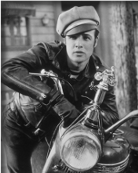
In the 1950s, many American teenagers wore black
1
jackets and rode motorbikes. People called them ‘greasers’ because of their hairstyles. Most of them were ordinary factory
2
from the cities. They hardly ever took
3
their jackets! They didn’t have much money, but their clothes said that they wanted to be free, cool, wild and dangerous.
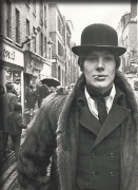
In London, in the mid-1960s, men dressed up in velvet suits,
4
coats and fashionable, expensive silk scarves. They loved going to the boutiques in Carnaby Street, looking
5
and trying things
6.
The latest fashions often
7
out very quickly because they were so popular. The men were protesting against the boring, grey clothes that older people wore at that time. They wanted society to be more liberal.

In the late 1960s, hippies wore T-shirts with peace slogans and old, torn
8
jeans. Hippies wanted to protest against war. They often wore flowers in their hair, and they shopped in
9
shops because they didn’t want to spend a lot of money.
|
5 CHALLENGE! Which of the types of clothes below are fashionable right now with young people in your country? Describe what other clothes and materials are fashionable at the moment. Why do young people like wearing them? Speak for no longer than one minute.
|
- Select Record Audio to record yourself.
- If you want to add a note to your teacher, write it in the Comments box.
- Select Submit to dropbox to send the recording to your teacher.
No comments:
Post a Comment