VThe press
1Would you like to see Catching Fire? It had really good .
2Don't believe everything you read about celebrities in the . Not much of it is actually true.
3Most magazines are full of and pictures. There isn't much to read.
4I never read the whole newspaper. I just look at a few of the to get the main ideas.
5You should read this about the Brazilian rainforest. It's very interesting.
6The stories in some are definitely made up! Some people call them 'junk food news'.
- MOVE
- broadcast
- report
- confirm
- gather
- investigate
- publish
1I was very proud when they my novel.
2The police are evidence against the suspect and will arrest him soon.
3Can you the rumour that the football club has bought a new player?
4All national newspapers the event. It was on the front pages.
5I don't think violent films should be on TV.
6Sometimes journalists work together with the police to a crime.
AThe new Bond film is probably the best yet. It isn't just the special effects, … .
BThe three goals took Manchester City back to their position at the top of the league.
CMOUNTAIN BIKE in good condition, $75. Call … .
DIt sounds unbelievable, but eating cake can actually help you to lose weight. Nutritionists … .
EAcross
1 The smallest continent in the world.
3 A large seabird.
FSCORPIO (23 Oct−21 Nov)
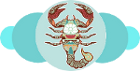
Expect some big changes in your life. Everything will …
1crosswords and games
2sports section
3classified ads
4arts and entertainment
5horoscopes
6health and beauty
- MOVE
- international
- guide
- editor
- broadsheet
- finance
- published
- journalists
- gossip column
- interview
- investigate
- articles
- front page

History
Surprisingly, the first newspaper in the English language was not
1
in England. It was printed in Amsterdam by Joris Veseler around 1620. At the beginning of the eighteenth century, many famous writers, such as Daniel Defoe and Jonathan Swift, worked as
2 ,
too. Defoe set up his own newspaper, The Review, while Swift was an
3
for The Examiner. By 1720, there were twelve London newspapers and twenty-four in other English cities.
Tabloids and broadsheets
Today, the
4
is the largest of the various newspaper formats, and it contains more serious news.
The word 'tabloid' comes from the name given to a type of small tablet of medicine in the 1880s. Later, people started using it for newspapers that have short news
5
and are small in size.
Broadsheets used to be about twice the size of tabloids, but now some have become smaller. In the past, a broadsheet didn't have colour photos on the
6 ,
but this has changed, and both kinds of newspaper now do this. You will not usually find a
7
in a broadsheet, and although both kinds of paper often
8
famous people, a tabloid newspaper is more likely to speak to a celebrity than a politician. Broadsheets focus more on
9
news, politics, business and
10 .
Both kinds of newspapers have a television
11 .
|
5 CHALLENGE! What kind of newspaper do you or people in your family read? What are your favourite parts of the paper? Speak for no longer than one minute. |
- Select Record Audio to record yourself.
- If you want to add a note to your teacher, write it in the Comments box.
- Select Submit to dropbox to send the recording to your teacher.
No comments:
Post a Comment