1 Look at the photos of Sir Ranulph Fiennes. What do you think he has achieved in his life? Speak for no longer than one minute.

- Select Record Audio to record yourself.
- If you want to add a note to your teacher, write it in the Comments box.
- Select Submit to dropbox to send the recording to your teacher.

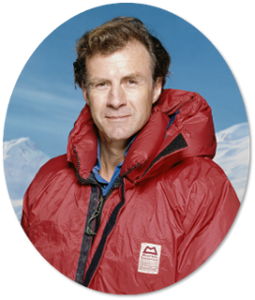
In 1984, the Guinness Book of Records described Sir Ranulph Fiennes as the world’s greatest living explorer. Since then, he has continued to break world records and to take on and pull off some of the most difficult challenges on Earth. But who is Sir Ranulph, and why are people so amazed by his breathtaking achievements?
Sir Ranulph, who is a distant cousin of Queen Elizabeth II, was born into a wealthy, aristocratic family in 1944. When he was nineteen, he became a soldier in the British Army and spent a lot of time in Oman in the Middle East. During that time, he became the youngest captain in the army, learned about survival skills and took up the sports of climbing and skiing.
In the late 1960s, after almost eight years of service, Sir Ranulph left the army. He has been an adventurer ever since, and has led expeditions all over the world. On two of his early expeditions, he went down the River Nile in a hovercraft and crossed a huge glacier in Norway. However, it wasn’t until 1979, when he was in his thirties, that he made one of his first really famous journeys. With two old friends, he set out on an amazing and risky adventure, which took over three years to complete. They sailed south to the Antarctic, crossed the South Pole, then sailed north to the Arctic, and finally travelled to the North Pole. They didn’t get back to Britain until 1982. It was the first time anybody went round the world in this direction, using only surface transport. Nobody has been able to do it again since.
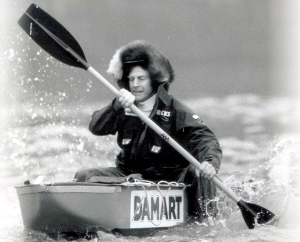
Since visiting both poles, he has led an expedition to discover a lost city in the deserts of Oman and has also walked across the Antarctic. This journey was record-breaking because it was the first time that a man or woman went across the continent by only walking and skiing. In other words, Sir Ranulph, who was almost fifty years old at the time, didn’t use any machines at all. He went on this incredible journey on his own, and it took him ninety-three days. Then, in 2009, he climbed Mount Everest – despite the fact that he was sixty-five years old, and afraid of heights!
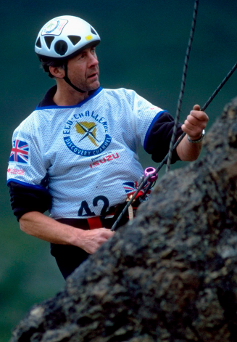
Naturally, there has been a price to pay for his bravery. Not all of his expeditions have been successful, and he has had some terrible experiences. In 2000, for example, he attempted to walk across the Arctic by himself, and his sledge and all his equipment fell through a hole in the ice. Sir Ranulph had to pull everything out with his hands, and the ice was so cold that he got severe frostbite. When he got back home, doctors cut off the ends of some of his fingers. He has also lost toes to frostbite and has had a heart attack.
Perhaps Sir Ranulph’s most amazing challenge was the one he completed in 2003, when he was nearly sixty. He ran seven marathons on seven continents in seven days. He started by running a marathon in South America, flew to Antarctica and ran another marathon the next day, then he completed marathons in Australia, Singapore, Britain, Egypt, and, finally, the USA.
There have been some amazing explorers in history, but few have achieved as much as Sir Ranulph Fiennes.
a He tried to go across the Arctic alone.
b He went up to the top of Mount Everest.
c He was a soldier in the British Army.
d He lost some of his fingers because of the cold.
e He went round the world from south to north.
f He ran seven marathons in a week.
g He walked over a Norwegian glacier.
h He discovered a lost city in 1992.
1he
2that
3which
4They
5it
6This
7who
8him
In 1984, the Guinness Book of Records described Sir Ranulph Fiennes as the world's greatest living explorer. Since then, he has continued to break world records and to take on and pull off some of the most difficult challenges on Earth. But who is Sir Ranulph, and why are people so amazed by his breathtaking achievements?
Sir Ranulph, who is a distant cousin of Queen Elizabeth II, was born into a wealthy, aristocratic family in 1944. When he was nineteen, he became a soldier in the British Army and spent a lot of time in Oman in the Middle East. During that time, he became the youngest captain in the army, learned about survival skills and took up the sports of climbing and skiing.
In the late 1960s, after almost eight years of service, Sir Ranulph left the army. He has been an adventurer ever since, and has led expeditions all over the world. On two of his early expeditions, he went down the River Nile in a hovercraft and crossed a huge glacier in Norway. However, it wasn’t until 1979, when he was in his thirties, that he made one of his first really famous journeys. With two old friends, he set out on an amazing and risky adventure, which took over three years to complete. They sailed south to the Antarctic, crossed the South Pole, then sailed north to the Arctic, and finally travelled to the North Pole. They didn’t get back to Britain until 1982. It was the first time anybody went round the world in this direction, using only surface transport. Nobody has been able to do it again since.
Since visiting both poles, he has led an expedition to discover a lost city in the deserts of Oman and has also walked across the Antarctic. This journey was record-breaking because it was the first time that a man or woman went across the continent by only walking and skiing. In other words, Sir Ranulph, who was almost fifty years old at the time, didn't use any machines at all. He went on this incredible journey on his own, and it took him ninety-three days. Then, in 2009, he climbed Mount Everest – despite the fact that he was sixty-five years old, and afraid of heights!
Naturally, there has been a price to pay for his bravery. Not all of his expeditions have been successful, and he has had some terrible experiences. In 2000, for example, he attempted to walk across the Arctic by himself, and his sledge and all his equipment fell through a hole in the ice. Sir Ranulph had to pull everything out with his hands, and the ice was so cold that he got severe frostbite. When he got back home, doctors cut off the ends of some of his fingers. He has also lost toes to frostbite and has had a heart attack.
Perhaps Sir Ranulph’s most amazing challenge was the one he completed in 2003, when he was nearly sixty. He ran seven marathons on seven continents in seven days. He started by running a marathon in South America, flew to Antarctica and ran another marathon the next day, then he completed marathons in Australia, Singapore, Britain, Egypt, and, finally, the USA.
There have been some amazing explorers in history, but few have achieved as much as Sir Ranulph Fiennes.
In 1984, the Guinness Book of Records described Sir Ranulph Fiennes as the world’s greatest living explorer. Since then, he has continued to break world records and to take on and pull off some of the most difficult challenges on Earth. But who is Sir Ranulph, and why are people so amazed by his breathtaking achievements?
Sir Ranulph, who is a distant cousin of Queen Elizabeth II, was born into a wealthy, aristocratic family in 1944. When he was nineteen, he became a soldier in the British Army and spent a lot of time in Oman in the Middle East. During that time, he became the youngest captain in the army, learned about survival skills and took up the sports of climbing and skiing.
In the late 1960s, after almost eight years of service, Sir Ranulph left the army. He has been an adventurer ever since, and has led expeditions all over the world. On two of his early expeditions, he went down the River Nile in a hovercraft and crossed a huge glacier in Norway. However, it wasn’t until 1979, when he was in his thirties, that he made one of his first really famous journeys. With two old friends, he set out on an amazing and risky adventure, which took over three years to complete. They sailed south to the Antarctic, crossed the South Pole, then sailed north to the Arctic, and finally travelled to the North Pole. They didn’t get back to Britain until 1982. It was the first time anybody went round the world in this direction, using only surface transport. Nobody has been able to do it again since.
Since visiting both poles, he has led an expedition to discover a lost city in the deserts of Oman and has also walked across the Antarctic. This journey was record-breaking because it was the first time that a man or woman went across the continent by only walking and skiing. In other words, Sir Ranulph, who was almost fifty years old at the time, didn’t use any machines at all. He went on this incredible journey on his own, and it took him ninety-three days. Then, in 2009, he climbed Mount Everest – despite the fact that he was sixty-five years old, and afraid of heights!
Naturally, there has been a price to pay for his bravery. Not all of his expeditions have been successful, and he has had some terrible experiences. In 2000, for example, he attempted to walk across the Arctic by himself, and his sledge and all his equipment fell through a hole in the ice. Sir Ranulph had to pull everything out with his hands, and the ice was so cold that he got severe frostbite. When he got back home, doctors cut off the ends of some of his fingers. He has also lost toes to frostbite and has had a heart attack.
Perhaps Sir Ranulph’s most amazing challenge was the one he completed in 2003, when he was nearly sixty. He ran seven marathons on seven continents in seven days. He started by running a marathon in South America, flew to Antarctica and ran another marathon the next day, then he completed marathons in Australia, Singapore, Britain, Egypt, and, finally, the USA.
There have been some amazing explorers in history, but few have achieved as much as Sir Ranulph Fiennes.
1Sir Ranulph Fiennes has some very famous relatives, such as actor Ralph Fiennes and .
2He was still a teenager when he .
3He first started leading expeditions in .
4In history, explorer has successfully gone round the world while crossing both poles.
5Sir Ranulph Fiennes’s journey across the Antarctic broke a record because .
6Sir Ranulph Fiennes had to overcome his fear of in order to climb Mount Everest.
7During his expedition to the Arctic in 2000, he got frostbite because .
8In 2003, he took part in a series of events which started in and finished in North America.
In 1984, the Guinness Book of Records described Sir Ranulph Fiennes as the world’s greatest living explorer. Since then, he has continued to break world records and to take on and pull off some of the most difficult challenges on Earth. But who is Sir Ranulph, and why are people so amazed by his breathtaking achievements?
Sir Ranulph, who is a distant cousin of Queen Elizabeth II, was born into a wealthy, aristocratic family in 1944. When he was nineteen, he became a soldier in the British Army and spent a lot of time in Oman in the Middle East. During that time, he became the youngest captain in the army, learned about survival skills and took up the sports of climbing and skiing.
In the late 1960s, after almost eight years of service, Sir Ranulph left the army. He has been an adventurer ever since, and has led expeditions all over the world. On two of his early expeditions, he went down the River Nile in a hovercraft and crossed a huge glacier in Norway. However, it wasn’t until 1979, when he was in his thirties, that he made one of his first really famous journeys. With two old friends, he set out on an amazing and risky adventure, which took over three years to complete. They sailed south to the Antarctic, crossed the South Pole, then sailed north to the Arctic, and finally travelled to the North Pole. They didn’t get back to Britain until 1982. It was the first time anybody went round the world in this direction, using only surface transport. Nobody has been able to do it again since.
Since visiting both poles, he has led an expedition to discover a lost city in the deserts of Oman and has also walked across the Antarctic. This journey was record-breaking because it was the first time that a man or woman went across the continent by only walking and skiing. In other words, Sir Ranulph, who was almost fifty years old at the time, didn’t use any machines at all. He went on this incredible journey on his own, and it took him ninety-three days. Then, in 2009, he climbed Mount Everest – despite the fact that he was sixty-five years old, and afraid of heights!
Naturally, there has been a price to pay for his bravery. Not all of his expeditions have been successful, and he has had some terrible experiences. In 2000, for example, he attempted to walk across the Arctic by himself, and his sledge and all his equipment fell through a hole in the ice. Sir Ranulph had to pull everything out with his hands, and the ice was so cold that he got severe frostbite. When he got back home, doctors cut off the ends of some of his fingers. He has also lost toes to frostbite and has had a heart attack.
Perhaps Sir Ranulph’s most amazing challenge was the one he completed in 2003, when he was nearly sixty. He ran seven marathons on seven continents in seven days. He started by running a marathon in South America, flew to Antarctica and ran another marathon the next day, then he completed marathons in Australia, Singapore, Britain, Egypt, and, finally, the USA.
There have been some amazing explorers in history, but few have achieved as much as Sir Ranulph Fiennes.
move something from somewhere using your hands
learn or start to do something (e.g. a sport or a new hobby)
succeed in doing (something difficult)
remove, especially with a knife or other sharp object
try to do (something difficult)
return
- take on
- pull off
- take up
- get back
- pull out
- cut off
- MOVE
- take on
- pull off
- took up
- get back
- pull out
- cut off
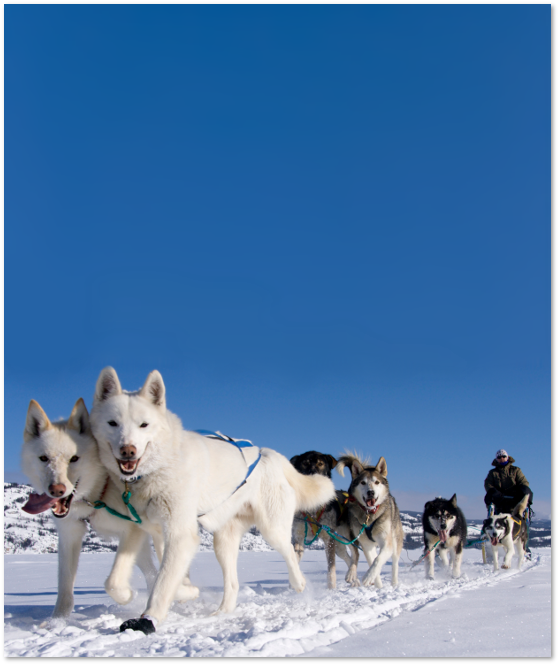

The Arctic Challenge
Last year, I 1 the Arctic Challenge. It’s a race with dogs across the Arctic ice. Racing with dogs is a great hobby which I only 2 three years ago. I set out with my team of six dogs early in the morning. After two hours, one of the dogs hurt its leg. I had to use my knife to 3 the rope that tied the dog to my sledge. An hour later, the sledge fell into a hole, and I had to 4 it 5. It was really difficult to do this because the sledge was so heavy. I had to call for help and somebody came to rescue me. We didn’t 6 to the starting line until late at night. I was disappointed, but I’m not going to give up. I wasn’t successful this year, but I hope to 7 it 8 next year.
|
7 Describe a challenge that you have taken on in the last year. It could be a difficult journey that you have made, a new sport or hobby that you have taken up, or it could be a change of home or school. Speak for no longer than 1 minute. |
- Select Record Audio to record yourself.
- If you want to add a note to your teacher, write it in the Comments box.
- Select Submit to dropbox to send the recording to your teacher.
No comments:
Post a Comment